
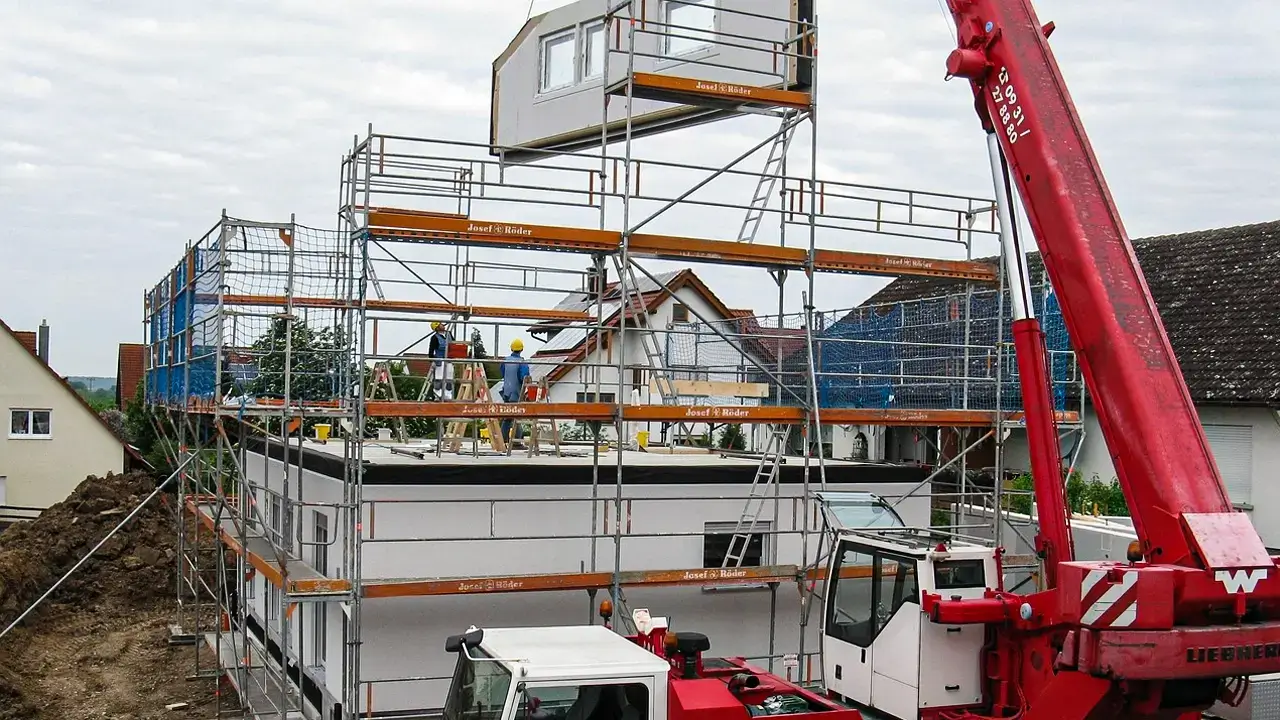
Every successful construction project starts with selecting the right materials. In the United Arab Emirates, this decision carries even more weight due to the country’s extreme weather, strict building regulations, and a growing focus on sustainability. Whether you’re planning a villa, a commercial space, or a high-rise development, making smart choices with materials can make a significant difference in performance, safety, and longevity.
Here’s what you should keep in mind when selecting building materials for projects across the UAE.
1. Adaptability to Harsh Climate
The UAE’s desert climate presents a unique challenge. With temperatures soaring above 45°C during summer and frequent exposure to humidity and sand, materials need to be able to withstand extreme conditions.
- Heat-resistant materials like certain stones, treated concrete, and composites perform better under the sun’s intense glare.
- Metals must be corrosion-resistant, especially in coastal cities where salt in the air can trigger rust and degradation.
Choosing weather-appropriate materials ensures your structure remains durable and requires fewer repairs over time.
2. Following UAE Construction Codes
The UAE has stringent construction standards enforced by local authorities. From Dubai Municipality to Abu Dhabi’s Urban Planning bodies, every material used must comply with the specified guidelines.
Materials often need to meet standards for:
- Fire resistance
- Energy efficiency
- Acoustic insulation
- Environmental impact
Using non-compliant materials can lead to project delays, additional costs, or even legal complications. It’s wise to consult with certified suppliers who understand and follow the region’s building codes.
3. Lifespan and Maintenance Requirements
Durability should never be compromised for aesthetics or cost. Opting for materials that last longer with minimal upkeep is a smart investment.
For example:
- Porcelain tiles are a popular alternative to natural stone due to their resistance to wear and staining.
- Engineered woods or composites offer the look of timber but are far more stable in extreme climates.
Always evaluate how much time and money will be needed to maintain the material in good condition, especially for outdoor installations.
4. Eco-Friendly and Sustainable Choices
Sustainability is no longer optional. The UAE is actively pushing for greener construction practices through initiatives like Dubai’s Green Building Regulations and Estidama in Abu Dhabi.
Look for materials that:
- Support energy conservation (e.g., thermal insulation panels)
- Are made from recycled or natural sources
- Contribute to LEED or Estidama certification goals
Sustainable materials not only reduce environmental impact but can also improve indoor air quality and reduce energy bills.
5. Visual Harmony and Design Intent
Your building materials should complement the overall design vision. In a region known for combining modern architecture with traditional Arabian elements, material selection can play a big role in achieving a seamless look.
For instance:
- Sleek glass and brushed metal work well in futuristic designs.
- Natural stone and earth-toned tiles often appear in more traditional or Mediterranean-style homes.
Collaboration between architects, designers, and material suppliers ensures consistency in aesthetics and functionality.
6. Product Availability and Delivery Time
Delays in material availability can hold up your entire construction timeline. This is particularly true for imported products or custom finishes.
To avoid unnecessary waiting:
- Choose from locally stocked options whenever possible.
- Confirm timelines with suppliers before placing large orders.
- Have alternative materials identified in case of last-minute changes.
Even a well-planned project can run into trouble without reliable access to building components.
7. Balancing Cost with Value
Budget plays a huge role, but it’s essential to weigh the cost of materials against their value over time. Cheap products may save you initially but lead to higher expenses in repairs or early replacements.
Factor in:
- Material longevity
- Installation complexity
- Long-term maintenance
- Warranty and after-sales support
Always make room in your budget for quality. It pays off in the form of fewer headaches and better property value.
8. Working with Trusted Suppliers
A good supplier is more than just a vendor—they’re a partner in your project. Choose companies with a strong track record and good client feedback.
Ensure your supplier:
- Offers certified, tested products
- Provides after-sale service and warranties
- Understands the local building landscape and codes
Reliable suppliers can also advise you on better alternatives, cost-saving solutions, and innovations that might otherwise be missed.
Choosing building materials in the UAE involves more than just flipping through a catalog. It requires careful thought, knowledge of the local environment, and collaboration with experienced professionals. From weather durability and compliance to design impact and sustainability, every decision you make contributes to the final outcome. When done right, smart material selection leads to a structure that’s safe, stylish, and built to last in one of the world’s most demanding climates.



Recent Comments