
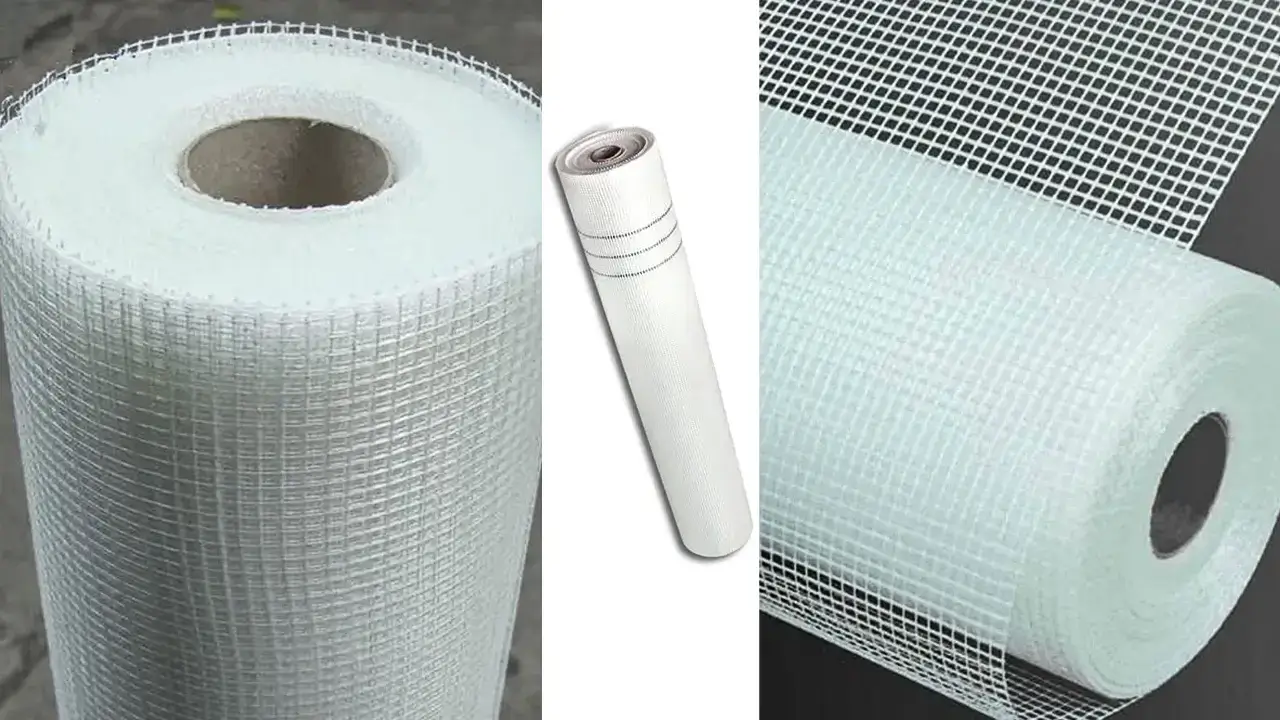
In today’s building industry, ensuring durability and surface stability is essential. One of the most dependable materials to achieve this is fiberglass mesh. Known for its strength, light weight, and versatility, it plays a vital role in supporting surfaces and preventing cracks in a variety of construction applications.
Let’s explore what makes fiberglass mesh a go-to solution for builders, tilers, and contractors around the world.
What Is Fiberglass Mesh?
Fiberglass mesh is a woven material crafted from fine glass fibers. These fibers are coated to enhance their strength and to protect them from damage caused by alkaline substances, which are commonly found in cement and mortar. Sold in rolls, a typical size is 1 meter wide by 50 meters long, with a weight of 145 grams per square meter and a 5×5 grid pattern for optimal bonding.
Its unique structure offers reinforcement while remaining flexible and easy to apply—making it suitable for both internal and external surfaces.
Where It’s Used
Fiberglass mesh is used widely across multiple areas of construction. It’s most commonly applied to strengthen plaster layers, lightweight panels, and internal or external walls. This mesh helps avoid surface cracking, especially in locations exposed to stress, vibration, or temperature fluctuations.
In the tiling industry, fiberglass mesh is often placed behind mosaics, marble, or stone tiles. It provides extra grip and reduces the risk of breakage or detachment, especially on vertical surfaces or where adhesive layers are thin.
It’s also useful for reinforcing concrete slabs, bridging cracks, and stabilizing render systems. Whether you’re restoring a damaged wall or installing intricate mosaic patterns, fiberglass mesh offers the added support required for long-lasting results.
Eco-Friendly and Safe
As the demand for non-toxic building materials grows, fiberglass mesh stands out for being environmentally responsible. It is manufactured without formaldehyde or asbestos, making it safe for installers and end users alike. It complies with global safety regulations and is often used in projects where sustainability is a key consideration.
Additionally, it’s alkali-resistant, which is essential when working with cement-based mixtures. This resistance prevents breakdown and deterioration over time, ensuring the mesh holds its shape and strength for years.
What Makes It Effective?
A key advantage of fiberglass mesh is its non-slip property. Once embedded in adhesive or mortar, it doesn’t shift, slide, or wrinkle—ensuring a smoother application and a better finish. This makes it ideal not just for professionals but also for DIY users looking for dependable reinforcement without complicated tools.
Its lightweight nature makes handling and installation easier. Despite its low weight, the mesh delivers excellent tensile strength, resisting tearing even under tension. It’s also resistant to mold and corrosion, which is a huge bonus in humid or unpredictable climates.
Easy to Work With
Fiberglass mesh is designed for convenience. It can be trimmed to the desired size using a basic utility knife or scissors. When installing, it’s placed between layers of plaster, adhesive, or cement, helping to distribute load and prevent surface damage. Its open grid design allows for air release and proper material bonding.
Once in place, the result is a more stable, crack-resistant surface that’s ideal for finishing, painting, or tiling.
Common Areas of Application
You’ll find fiberglass mesh used in a wide variety of projects, including:
- Wall and ceiling reinforcement
- Backing for mosaic and stone tiles
- Exterior insulation systems
- Partition walls
- Plaster crack repair
- Sub-layer support for decorative finishes
Because it adapts easily to different surfaces and substrates, it’s widely used in both residential and commercial construction projects.
Why Professionals Choose It
From contractors to architects, fiberglass mesh is a favorite due to its reliability, safety, and cost-effectiveness. Unlike metal lath, it doesn’t rust or corrode, and it poses no risk of cuts or abrasions during installation. Its flexibility also makes it ideal for curved or irregular surfaces where other materials might fail.
It offers an impressive balance between affordability and performance, making it suitable for both small-scale renovations and large industrial builds.
Whether you’re working on wall restoration, tile installations, or general surface reinforcement, fiberglass mesh delivers dependable results with ease. Its combination of strength, flexibility, and eco-safety makes it a smart choice for modern construction.
If you’re planning a project that demands extra durability and crack resistance, this simple yet powerful material can make all the difference. With proper installation, fiberglass mesh enhances both the performance and longevity of your surfaces—helping you build smarter, safer, and stronger.


Recent Comments