
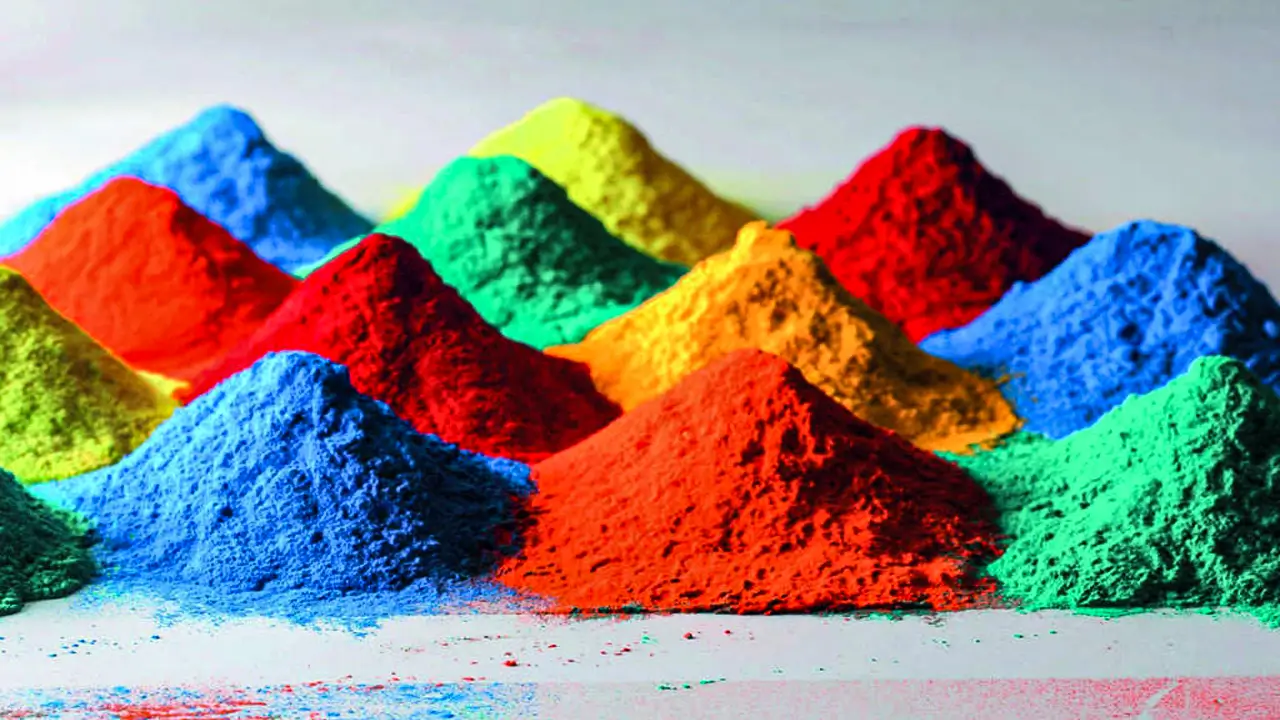
Color isn’t just decoration it shapes the way we feel and experience the world around us. From soothing shades of blue in a bedroom to energetic reds in a café, the right color can completely transform a space. But behind every striking hue lies the science of pigments. Choosing the right pigments for paints, coatings, and construction materials is about more than beauty it’s also about performance, safety, and longevity.
Among the wide range of pigments available today, organic pigments and oxide pigments stand out for their distinctive qualities. Both play a crucial role in interior design, architecture, and creative projects, offering lasting value and impact.
What Makes Organic Pigments Special?
Organic pigments are carbon-based compounds, either sourced from nature or synthesized to replicate natural shades. Their biggest strength lies in their vibrancy these pigments produce dazzling reds, bright yellows, lush greens, and deep blues.
Unlike dyes, organic pigments are insoluble in water or oil, giving them stability and making them perfect for paints and coatings.
Key Advantages of Organic Pigments:
- Brilliant Hues: They bring life to any surface with bold, expressive colors.
- Versatility: Used across industries in paints, inks, plastics, and coatings.
- Eco-Friendly Options: Many are safe and non-toxic, ideal for sustainable projects.
- High Tinting Strength: A little goes a long way perfect for achieving strong colors at lower costs.
Interior designers often prefer organic pigments because they allow creativity to flourish, helping homeowners achieve unique, personalized spaces full of character.
Why Oxide Pigments Stand the Test of Time
Oxide pigments, often referred to as inorganic pigments, are typically derived from minerals like iron oxide. They have been trusted for centuries, especially for their earthy tones ochres, browns, rusty reds that may not shine as brightly as organic pigments but excel in resilience.
Key Advantages of Oxide Pigments:
- Exceptional Durability: Resistant to UV rays, moisture, and chemicals.
- Natural Aesthetic: Their muted tones fit rustic, industrial, or natural-inspired designs.
- Stability: Colors remain consistent for decades without fading.
- Weather Resistance: Perfect for construction, tiles, cement, and exterior paints.
For architectural and industrial projects, oxide pigments are often the go-to choice when strength and long-term performance matter more than vibrancy.
Choosing Between Organic & Oxide Pigments
Your choice depends largely on your project’s goals:
- Go Organic if you want bold, striking colors for interiors, décor, and artistic applications.
- Go Oxide if you need durability and consistency for outdoor use, construction, or heavy-duty coatings.
In fact, many professionals use both organic pigments indoors for their liveliness and oxide pigments outdoors for their endurance.
How Pigments Shape Spaces
The right pigment doesn’t just color a wall; it influences mood, enhances design themes, and ensures lasting appeal.
- Mood & Atmosphere: Vibrant organic shades energize, while earthy oxide tones create calm and stability.
- Design Expression: Organic pigments suit modern, playful styles, while oxide pigments complement traditional or industrial looks.
- Long-Term Beauty: Both types resist fading and wear, keeping spaces fresh for years.
- Sustainability: Eco-friendly and non-toxic options support healthier living and working environments.
Applications Across Industries
- Interior Design: Wall finishes, furniture coatings, and decorative accents.
- Exterior Architecture: Facades, pavements, tiles, and concrete coloring.
- Industrial Use: Plastics, inks, coatings, and rubber.
- Art & Craft: Murals, sculptures, and creative projects.
Organic and oxide pigments are more than colorants they’re tools for creating spaces that last, inspire, and reflect personality. Organic pigments infuse interiors with vibrancy and creativity, while oxide pigments bring natural endurance to architecture and industrial work. By understanding their unique strengths, designers, architects, and homeowners can make choices that combine beauty with reliability.



Recent Comments